The Hidden Danger ” Cholesterol”
High cholesterol isn’t just your grandparents’ health problem anymore. Young adults in their 20s and 30s are facing a serious cholesterol crisis that could shape their health for decades to come.
Who this is for: Young professionals, college students, and health-conscious millennials who want to understand and prevent cholesterol problems before they become life-threatening.
The numbers are alarming. More young people than ever are walking around with dangerously high cholesterol levels, often without knowing it. This silent health threat can lead to heart attacks and strokes at surprisingly young ages.
We’ll explore the lifestyle habits that are driving cholesterol problems in your generation – from fast food culture to sedentary work-from-home setups. You’ll also discover the hidden health risks that make cholesterol even more dangerous when you’re young, plus the serious long-term consequences that could affect your 40s, 50s, and beyond.
Most importantly, we’ll cover proven strategies to reverse cholesterol problems early, giving you the tools to protect your heart health while you still have time to make a real difference.
Understanding the Rising Cholesterol Crisis Among Young Adults

Alarming Statistics Showing Increased Cholesterol Levels in People Under 30
Recent medical data paints a concerning picture of cardiovascular health among today’s youth. Studies from the American Heart Association reveal that 20% of adolescents and young adults now have abnormal cholesterol levels, compared to just 12% two decades ago. The National Health and Nutrition Examination Survey shows that high LDL cholesterol affects nearly 7% of people aged 20-39, representing a 40% increase since 2000.
Young adults between 25-34 are experiencing cholesterol-related health issues at unprecedented rates. Emergency room visits for heart-related problems in this age group have doubled since 2010. More shocking is that 15% of people under 30 now require cholesterol-lowering medications, a statistic that was virtually unheard of in previous generations.
The numbers become even more alarming when broken down by demographics. Urban young adults show higher rates of elevated cholesterol, with 25% of city-dwelling 20-somethings having at least one abnormal cholesterol marker. College students aren’t immune either – campus health centers report that 18% of students tested show concerning cholesterol patterns during routine health screenings.
Key Differences Between Cholesterol Patterns in Previous Generations Versus Today
The cholesterol landscape has dramatically shifted over the past 30 years. Baby boomers typically didn’t develop high cholesterol until their 40s or 50s, giving their bodies decades to adapt gradually. Today’s young adults are hitting dangerous cholesterol levels in their early twenties, compressing what used to be a gradual process into just a few years.
Previous generations had different lifestyle patterns that naturally protected against early cholesterol problems. They walked more, ate fewer processed foods, and had less exposure to chronic stress. Their cholesterol issues usually stemmed from genetic factors or natural aging processes, making them more predictable and manageable.
| Generation Comparison | Baby Boomers (Born 1946-1964) | Gen X (Born 1965-1980) | Millennials/Gen Z (Born 1981+) |
| Average age of first high cholesterol diagnosis | 45-50 years | 35-40 years | 25-30 years |
| Primary causes | Genetics, aging, smoking | Stress, early processed foods | Ultra-processed foods, sedentary lifestyle |
| Dietary patterns | Home-cooked meals, less sugar | Mixed home/restaurant eating | Fast food, delivery apps, energy drinks |
| Physical activity levels | Moderate to high | Declining | Significantly low |
Modern young adults face a perfect storm of cholesterol-raising factors that didn’t exist before. The combination of ultra-processed foods, chronic sleep deprivation, and digital sedentary lifestyles creates cholesterol problems that develop faster and more severely than anything previous generations experienced.
Medical Definitions of Dangerous Cholesterol Levels for Young People
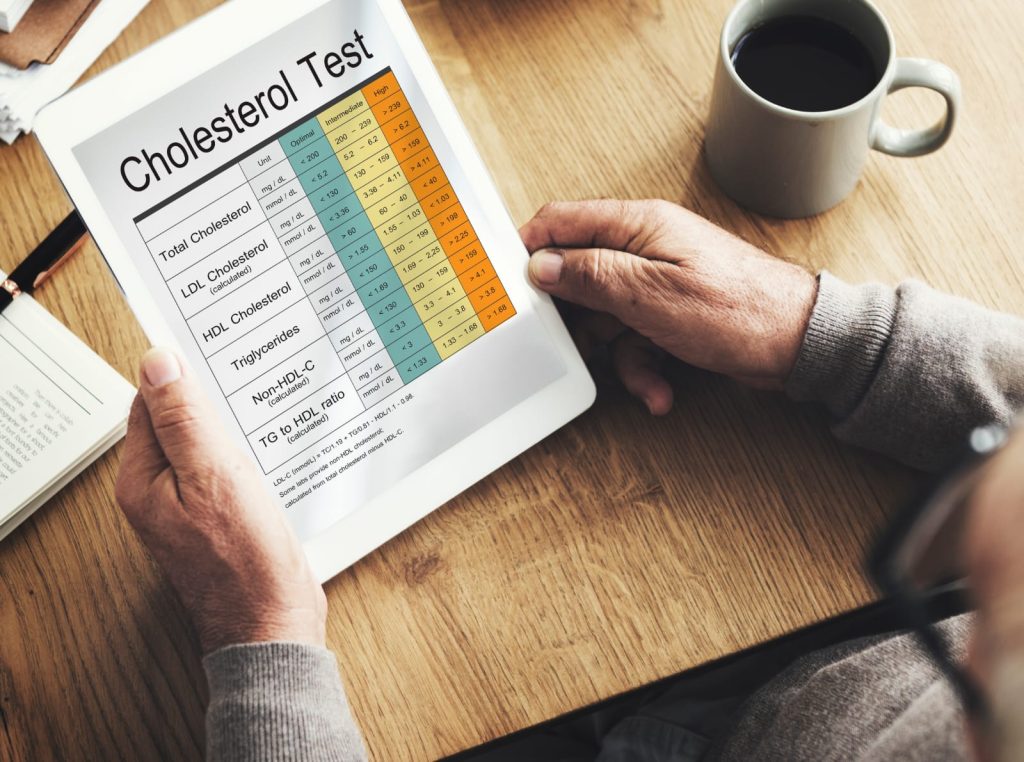
Medical professionals use specific benchmarks to identify dangerous cholesterol levels in young adults, though these guidelines have become more stringent as research reveals earlier cardiovascular risks. For people under 30, total cholesterol levels above 200 mg/dL warrant immediate attention, while levels between 170-199 mg/dL require monitoring and lifestyle intervention.
LDL cholesterol, often called “bad cholesterol,” becomes concerning at different thresholds for young adults:
Optimal: Less than 100 mg/dL
Near optimal: 100-129 mg/dL
Borderline high: 130-159 mg/dL
High: 160-189 mg/dL
Very high: 190 mg/dL and above
Young adults with LDL levels above 130 mg/dL face significant long-term cardiovascular risks, especially when combined with other factors like obesity or family history. HDL cholesterol levels below 40 mg/dL for young men and below 50 mg/dL for young women signal another red flag that requires immediate intervention.
Triglyceride levels present additional concerns for this age group. Normal triglycerides should stay below 150 mg/dL, but many young adults now show levels between 150-199 mg/dL (borderline high) or even above 200 mg/dL (high risk). These elevated triglycerides often accompany insulin resistance and metabolic syndrome, creating a cascade of health problems that can persist for decades if left untreated.
Primary Lifestyle Factors Driving Cholesterol Problems in Youth
Impact of processed foods and fast-food consumption habits
Modern young adults consume more processed and fast foods than any generation before them. These convenient meal options contain alarming amounts of trans fats, saturated fats, and refined sugars that directly spike LDL (bad) cholesterol levels. A single fast-food meal can contain up to 1,500 milligrams of sodium and 30 grams of saturated fat – nearly double the recommended daily intake.
Popular items among young people create the worst cholesterol problems:
Fried chicken sandwiches: 8-12g saturated fat per serving
Loaded burgers: 15-20g saturated fat plus trans fats
Pizza slices: High sodium and processed cheese combinations
Energy drinks and sodas: Added sugars that convert to triglycerides
The convenience factor drives these choices. College students grabbing quick meals between classes, young professionals eating lunch at their desks, and late-night food delivery have normalized these eating patterns. Many young adults eat fast food 3-4 times weekly, creating a constant influx of cholesterol-raising ingredients.
Processed snacks compound the problem. Chips, cookies, and packaged meals contain partially hydrogenated oils that stay in the bloodstream longer than natural fats. These foods lack fiber and nutrients that help regulate cholesterol naturally, creating a double negative effect on heart health.
Sedentary lifestyle and reduced physical activity patterns
Physical inactivity among young adults has reached crisis levels, directly contributing to cholesterol imbalances. Regular exercise naturally raises HDL (good) cholesterol while lowering dangerous LDL levels, but most young people fail to meet basic activity guidelines.
Screen time dominates daily routines. The average young adult spends 7-10 hours daily sitting – whether gaming, working on computers, streaming shows, or scrolling social media. This prolonged sitting slows metabolism and reduces the body’s ability to process fats effectively.
Work environments make things worse. Remote work and desk jobs eliminate natural movement opportunities like walking to meetings or taking stairs. Many young professionals sit for 8+ hours straight, then come home and continue sitting for entertainment.
Activity level comparisons show stark differences:
| Activity Level | Daily Steps | HDL Impact | LDL Impact |
| Sedentary | <5,000 | Decreases 10-15% | Increases 8-12% |
| Lightly Active | 5,000-7,500 | Maintains level | Slight increase |
| Moderately Active | 7,500-10,000 | Increases 5-10% | Decreases 5-8% |
| Highly Active | >10,000 | Increases 15-20% | Decreases 10-15% |
Transportation habits reinforce sedentary patterns. Young adults drive everywhere instead of walking or biking. Public transportation means more sitting. Even leisure activities center around screens rather than movement.
Chronic stress from academic and career pressures
Today’s young adults face unprecedented stress levels that directly impact cholesterol production. The body responds to chronic stress by releasing cortisol, which triggers increased cholesterol synthesis in the liver. This biological response served our ancestors well during short-term threats, but modern stressors never seem to end.
Academic pressures create constant stress cycles. Students juggle multiple classes, part-time jobs, internships, and student loan concerns. Graduate school applications, standardized tests, and competitive programs keep stress hormones elevated for months or years. Medical and law students often show cholesterol spikes during exam periods.
Career stress hits immediately after graduation. Job hunting, entry-level salaries that don’t cover living expenses, and workplace demands create new stress sources. Young professionals work longer hours for less security than previous generations, keeping their stress response system in overdrive.
Social media amplifies stress through constant comparison. Seeing peers’ highlight reels creates anxiety about personal achievements, relationships, and lifestyle choices. The pressure to present a perfect online image adds another stress layer to daily life.
Stress-induced cholesterol changes include:
Increased cortisol production raising LDL cholesterol
Stress eating leading to poor food choices
Reduced sleep quality affecting lipid metabolism
Higher blood pressure straining cardiovascular system
Decreased motivation for healthy activities
Financial stress particularly affects young adults. Student debt, high rent costs, and uncertain job markets create chronic worry that keeps cortisol levels elevated throughout their twenties and early thirties.
Sleep deprivation and irregular sleep schedules affecting metabolism
Sleep patterns among young adults have drastically deteriorated, creating serious metabolic disruptions that affect cholesterol regulation. Most young people get 5-6 hours of sleep nightly instead of the recommended 7-9 hours, and irregular schedules compound the problem.
Poor sleep directly impacts lipid metabolism. During deep sleep, the body processes fats and repairs cellular damage. Sleep deprivation disrupts these crucial processes, leading to higher triglyceride levels and reduced HDL cholesterol production. Studies show that sleeping less than 6 hours nightly increases bad cholesterol by 15-20%.
Technology disrupts natural sleep cycles. Late-night screen exposure suppresses melatonin production, making it harder to fall asleep. Young adults often scroll phones until midnight or later, then struggle to wake up for work or classes. This creates a cycle of sleep debt that accumulates over time.
Work and social schedules conflict with healthy sleep patterns. Night shifts, late study sessions, and social activities push bedtimes later while morning obligations remain fixed. Weekend “catch-up” sleep doesn’t fully compensate for weekday sleep loss, leaving metabolism constantly disrupted.
Sleep deprivation effects on cholesterol:
Hormonal disruption: Less than 7 hours reduces leptin (satiety hormone) and increases ghrelin (hunger hormone)
Increased cortisol: Poor sleep elevates stress hormones that raise cholesterol production
Insulin resistance: Sleep loss makes cells less responsive to insulin, affecting fat storage
Appetite changes: Tired people crave high-fat, high-sugar foods for quick energy
Reduced willpower: Exhaustion makes healthy choices much harder to maintain
Energy drink consumption creates additional sleep problems. Young adults use caffeine to combat tiredness, but late-day caffeine intake further disrupts sleep cycles, creating a destructive pattern that worsens both sleep quality and cholesterol levels.
Hidden Health Risks That Compound Cholesterol Dangers
Early Onset Diabetes and Insulin Resistance Connections
Young adults with elevated cholesterol levels face a dangerous double threat when diabetes enters the picture. High cholesterol and diabetes create a perfect storm in your cardiovascular system, multiplying heart disease risks by three to four times compared to having just one condition alone.
Insulin resistance, which often develops before full-blown diabetes, disrupts how your body processes both sugar and fats. When cells can’t properly use insulin, your liver starts overproducing cholesterol while simultaneously struggling to clear existing cholesterol from your bloodstream. This creates a vicious cycle where rising blood sugar levels trigger more cholesterol production.
The scary part? Many young people don’t realize they have insulin resistance until it’s too late. Warning signs include:
Persistent fatigue after meals
Cravings for sugary foods
Weight gain around the midsection
Dark patches of skin on neck or armpits
Difficulty losing weight despite exercise
Research shows that people who develop Type 2 diabetes before age 30 have a 40% higher chance of experiencing major cardiovascular events within 15 years. The combination accelerates arterial plaque buildup, making heart attacks and strokes more likely at surprisingly young ages.
Obesity Epidemic Amplifying Cardiovascular Risks
Excess weight doesn’t just affect how you look—it fundamentally changes how cholesterol moves through your body. Carrying extra pounds, especially around your waist, creates a cascade of metabolic problems that send cholesterol levels skyrocketing.
Fat tissue, particularly visceral fat around your organs, acts like a hormone factory pumping out inflammatory chemicals. These substances interfere with your liver’s ability to regulate cholesterol production and make your arteries more susceptible to plaque buildup. Even being 20-30 pounds overweight can increase your bad cholesterol by 15-25%.
The relationship works both ways: high cholesterol makes it harder to lose weight because it affects hormone signaling that controls hunger and metabolism. Young adults trapped in this cycle often find themselves gaining weight despite their best efforts.
| BMI Category | Cholesterol Risk Increase | Heart Disease Risk |
| Normal (18.5-24.9) | Baseline | 1x |
| Overweight (25-29.9) | 20-30% higher | 1.5x |
| Obese (30+) | 40-60% higher | 2-3x |
The obesity epidemic among young adults has created an unprecedented situation where people in their twenties and thirties are developing cardiovascular problems typically seen in middle age.
Smoking and Vaping Habits Accelerating Arterial Damage
Nicotine consumption through cigarettes or vaping devices creates immediate and long-lasting damage to your cardiovascular system that compounds cholesterol problems exponentially. Within minutes of smoking or vaping, your blood vessels constrict, blood pressure spikes, and inflammatory chemicals flood your bloodstream.
These substances make your artery walls “stickier,” causing cholesterol to accumulate faster and form more dangerous plaques. Young smokers with high cholesterol develop arterial blockages 10-15 years earlier than non-smokers with similar cholesterol levels.
Vaping, often marketed as a “safer” alternative, presents unique risks for cholesterol management:
Nicotine salt formulations deliver higher concentrations of nicotine than traditional cigarettes
Flavoring chemicals create additional inflammatory responses
Users often vape more frequently throughout the day, maintaining constant nicotine exposure
Many young vapers also drink alcohol or use other substances, multiplying cardiovascular damage
Even occasional social smoking or weekend vaping sessions significantly impact cholesterol metabolism. Your body needs 48-72 hours to clear nicotine’s effects on cholesterol processing, meaning weekend-only users never give their cardiovascular system a chance to recover fully.
Excessive Alcohol Consumption Among Young Adults
Binge drinking culture on college campuses and beyond has created a hidden epidemic of alcohol-related cholesterol problems among young adults. While moderate alcohol consumption might have some cardiovascular benefits, the drinking patterns common in this age group create serious metabolic disruption.
Your liver processes both alcohol and cholesterol, and when overwhelmed with alcohol, it can’t effectively manage cholesterol levels. Heavy drinking sessions trigger your liver to produce more cholesterol while simultaneously reducing its ability to clear existing cholesterol from your bloodstream.
The problem gets worse with sugary mixers and high-calorie alcoholic beverages popular among young drinkers. These drinks create blood sugar spikes that promote additional cholesterol production and fat storage. A single night of heavy drinking can disrupt cholesterol metabolism for up to a week.
Regular alcohol consumption also interferes with sleep quality, which directly affects hormones that regulate cholesterol production. Poor sleep increases cortisol levels, which signal your liver to produce more cholesterol, creating another vicious cycle.
Young adults who binge drink (4+ drinks for women, 5+ for men in a two-hour period) twice monthly show cholesterol patterns similar to people 10-15 years older who drink moderately. The combination of high cholesterol and alcohol abuse increases stroke risk by 300% compared to non-drinkers with normal cholesterol levels.
Serious Long-Term Health Consequences for Young People

Premature Heart Disease and Stroke Risks Before Age 40
Young adults with high cholesterol face a dramatically increased risk of experiencing heart attacks and strokes decades earlier than their peers. While these conditions typically affect people in their 60s and 70s, those with untreated cholesterol problems can suffer major cardiac events in their 20s and 30s. The arterial damage begins silently during teenage years, creating a ticking time bomb that can explode without warning.
Studies show that people with elevated cholesterol levels before age 30 have a 64% higher chance of developing coronary artery disease by their 40th birthday. The fatty deposits that accumulate in blood vessels don’t discriminate by age – they build up relentlessly, narrowing arteries and restricting blood flow to vital organs. Young stroke victims often face permanent disabilities that completely alter their life trajectory, affecting their ability to work, maintain relationships, and live independently.
Fertility and Reproductive Health Complications
High cholesterol wreaks havoc on reproductive systems in both men and women, creating barriers to starting families that many young adults don’t anticipate. For women, elevated cholesterol levels disrupt hormone production, leading to irregular menstrual cycles, difficulty conceiving, and increased risk of pregnancy complications like preeclampsia and gestational diabetes.
Men experience equally devastating effects on their reproductive health. High cholesterol damages blood vessels throughout the body, including those supplying reproductive organs, leading to erectile dysfunction and reduced sperm quality. Research indicates that men with cholesterol levels above 240 mg/dL have significantly lower sperm counts and motility rates compared to those with healthy levels.
The psychological impact of fertility struggles compounds the physical challenges, creating stress cycles that further elevate cholesterol levels. Young couples who planned to start families find themselves facing expensive fertility treatments, relationship strain, and the heartbreak of repeated disappointments.
Accelerated Aging and Reduced Life Expectancy
Chronic high cholesterol acts like a fast-forward button on the aging process, causing premature wear and tear throughout the body. The constant inflammation triggered by cholesterol deposits accelerates cellular damage, making young people look and feel decades older than their chronological age.
Visible signs of accelerated aging include premature graying, skin changes, and the development of xanthelasmas – yellowish cholesterol deposits around the eyes that serve as external markers of internal damage. More concerning are the invisible effects: weakened bones, compromised immune function, and organ deterioration that typically doesn’t occur until much later in life.
Life expectancy drops significantly for those with untreated high cholesterol. Research shows that people who develop high cholesterol in their 20s can lose 10-15 years of life expectancy compared to their peers with healthy levels. This dramatic reduction means missing out on seeing children graduate, watching grandchildren grow up, and enjoying retirement years that should represent the golden phase of life.
Mental Health Impacts from Chronic Health Anxiety
Living with high cholesterol as a young adult creates a persistent undercurrent of health anxiety that can develop into clinical depression and panic disorders. The constant worry about heart attacks, strokes, and other complications transforms everyday activities into sources of stress and fear.
Young people with high cholesterol often become hypervigilant about physical symptoms, interpreting normal bodily sensations as signs of impending cardiac events. This heightened anxiety can lead to frequent emergency room visits, avoidance of physical activities, and social isolation as they withdraw from situations that might trigger symptoms.
The psychological burden extends beyond personal anxiety to affect relationships and career choices. Many young adults with high cholesterol report feeling like “damaged goods” in dating relationships, worrying about their ability to be reliable partners or parents. Career ambitions may be scaled back due to concerns about job-related stress or the need for comprehensive health insurance coverage.
Sleep disturbances are common as anxious thoughts about health complications keep young adults awake at night. This creates a vicious cycle where poor sleep quality raises stress hormones, which can further elevate cholesterol levels and compound the original health concerns.
Proven Strategies to Reverse Cholesterol Problems Early
Sustainable dietary changes that fit busy lifestyles
Making smart food swaps doesn’t mean overhauling your entire eating routine overnight. Start by swapping refined grains for whole grain alternatives – choose brown rice over white, whole wheat pasta, and oats for breakfast. These changes barely impact preparation time but significantly reduce cholesterol absorption.
Quick meal prep strategies that work:
Batch cook proteins like grilled chicken, lean fish, or legumes on weekends
Pre-cut vegetables and store them in grab-and-go containers
Keep frozen berries and vegetables on hand for smoothies and quick stir-fries
Replace butter with avocado or olive oil for cooking
Focus on incorporating soluble fiber through simple additions like adding beans to salads, choosing apples over processed snacks, and including oatmeal in your routine. These foods actively bind cholesterol in your digestive system, preventing absorption.
Smart restaurant and takeout choices:
| Food Category | Better Choice | Avoid |
| Proteins | Grilled fish, chicken breast | Fried meats, processed deli meats |
| Sides | Steamed vegetables, brown rice | French fries, creamy pasta |
| Snacks | Nuts, Greek yogurt | Chips, cookies |
The Mediterranean eating pattern works exceptionally well for busy schedules. It emphasizes whole foods you can eat raw or with minimal preparation – think olive oil, nuts, fish, vegetables, and fruits.
Exercise routines designed for time-pressed young adults
High-intensity interval training (HIIT) delivers maximum cholesterol-lowering benefits in minimal time. Just 15-20 minutes of alternating high-intensity bursts with recovery periods can improve your lipid profile more effectively than longer, moderate workouts.
Sample 20-minute HIIT routine:
3-minute warm-up (light jogging or jumping jacks)
30 seconds high intensity (burpees, mountain climbers, or sprints)
90 seconds recovery (walking or light movement)
Repeat cycle 8 times
2-minute cool-down
Strength training twice weekly provides excellent cholesterol benefits. Compound movements like squats, deadlifts, and push-ups work multiple muscle groups simultaneously, maximizing your time investment. Even bodyweight exercises performed in your dorm room or apartment can be highly effective.
Desk-friendly movement breaks:
Take stairs instead of elevators
Walk during phone calls
Do wall push-ups between study sessions
Park farther away or get off public transport one stop early
Weekend activities count too. Playing recreational sports, hiking with friends, or dancing provides cardio benefits while feeling like fun rather than exercise. The key is consistency rather than intensity – aim for 150 minutes of moderate activity weekly, which breaks down to just over 20 minutes daily.
Stress management techniques for academic and work environments
Chronic stress elevates cortisol levels, which directly increases cholesterol production in your liver. Managing stress becomes crucial for both your mental health and cardiovascular system.
Immediate stress relief techniques:
4-7-8 breathing: Inhale for 4 counts, hold for 7, exhale for 8
Progressive muscle relaxation: Tense and release muscle groups systematically
Grounding technique: Name 5 things you see, 4 you hear, 3 you touch, 2 you smell, 1 you taste
Sleep quality directly impacts cholesterol metabolism. Poor sleep disrupts hormones that regulate appetite and stress, leading to higher cholesterol production. Create a consistent sleep schedule, even on weekends. Keep your bedroom cool and dark, and avoid screens for at least an hour before bed.
Study and work environment modifications:
Use noise-canceling headphones or white noise apps
Create designated study spaces separate from relaxation areas
Take 5-minute breaks every 25-30 minutes (Pomodoro technique)
Practice mindfulness during routine activities like walking to class or commuting
Time management reduces stress significantly. Use digital calendars to block time for meals, exercise, and relaxation – treating these as non-negotiable appointments. When you plan your day, include buffer time for unexpected challenges.
Social connections act as powerful stress buffers. Regular contact with friends and family, joining study groups, or participating in campus organizations provides emotional support that naturally reduces stress hormones and their negative impact on cholesterol levels.